Empowering Survivors: Navigating Cancer Treatment and Wellness Through Community Support
Imagine being a warrior standing on the front lines of a battle, but instead of an army beside you, you feel isolated and vulnerable. This is often the reality for cancer patients navigating the daunting waters of diagnosis and treatment. However, amidst the shadows, there shines a powerful light: community support. From support groups to healthcare information and patient advocacy, community can transform the experience of cancer treatment, fostering resilience among survivors. As famed author Maya Angelou once said, 'I can be changed by what happens to me. But I refuse to be reduced by it.' This sentiment underscores the importance of harnessing communal strength throughout the journey of survivorship.
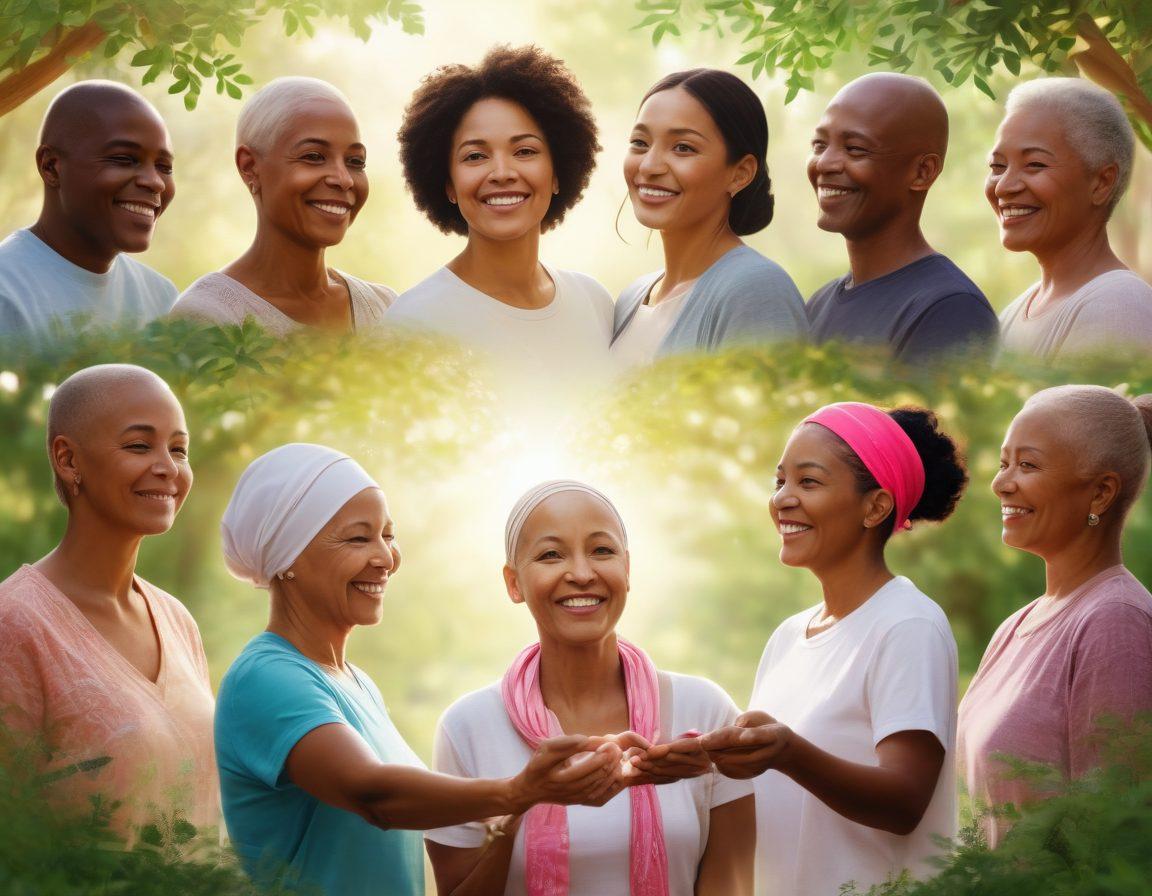
The road through cancer treatment is not only filled with medical challenges but emotional hurdles as well. The healthcare landscape is filled with terms like chemotherapy, radiation therapy, immunotherapy, and palliative care—words that can be overwhelming without a strong support system. Community support provides a safe haven where patients can share symptoms, discuss alternative therapies, and explore cancer topics that weigh heavily on their minds. Engaging with others who have faced similar challenges fosters an environment of hope and healing. It’s a reminder that no one has to walk this path alone; survivor stories become beacons of light for those still fighting their battles.
Take, for instance, the inspiring story of Angela, a breast cancer survivor who found strength through her local support group. Initially hesitant to join, she discovered a nurturing community that flourished with shared experiences and invaluable resources. Through laughter, tears, and fervent conversations about nutrition for cancer patients and symptom management, Angela was able to regain her spirit. These patient testimonials often highlight how community support acts as a catalyst for mental health improvement during treatment. Questions like, 'What will happen to my family?' or 'Am I going to find the strength to endure this?' find answers in the shared reassurance of fellow warriors.
Moreover, in the age of the internet, online platforms have revolutionized how patients access healthcare information and support. Whether it's through blogs discussing the latest oncology news or forums delving into cancer statistics, the online community offers a treasure trove of wisdom. Clinical trials, medical resources, and breakthrough tumor research are just a click away, empowering survivors with knowledge and options. A health blog centered on community support can greatly demystify the complexities of cancer treatment, making wellness a shared goal rather than an isolated endeavor. The more informed patients are, the stronger and more resilient they can become.
Ultimately, the transformation that community support brings to cancer treatment journeys cannot be overstated. It encourages survivors to form connections, share invaluable insights, and advocate for their own care. As we foster environments where individuals feel heard and uplifted, we pave the way for empathy, understanding, and resilience. So, if you or someone you know is navigating cancer, consider reaching out or starting a conversation. Remember, 'We are all parts of a greater whole,' as philosopher John Donne famously expressed, and it's within this oneness that we find healing, hope, and a renewed purpose.
From Hope to Healing: Survivor Stories and the Power of Collective Wellness
In the journey from hope to healing, every survivor has a unique story to tell. Behind each diagnosis lies an array of emotions, experiences, and revelations waiting to be uncovered. Imagine standing at a crossroads where fear and uncertainty collide with courage and determination; that moment is where the remarkable concept of collective wellness materializes. As we delve into survivor stories and the power of community support, we discover how connecting with others can illuminate even the darkest paths during cancer treatment. At its heart, survivorship isn't just about surviving cancer; it's about thriving in the aftermath and sharing insights that can guide others along their journey.
A striking statistic shows that about 1 in 3 people diagnosed with cancer in the U.S. are expected to survive at least 5 years after diagnosis. While these numbers may seem encouraging, the path to wellness is anything but straightforward. Survivorship stories reveal the nuanced challenges of cancer treatment — the emotional rollercoaster of chemotherapy, the toll of radiation therapy, and the burden of navigating healthcare information amid a sea of oncologists and support groups. Hearing from fellow survivors can provide a sense of solace, as their testimonials embody the notion that 'you are not alone.'
When we explore the landscape of cancer topics, it’s invigorating to learn how survivors have embraced not just traditional medical interventions like immunotherapy and alternative therapies, but also lifestyle changes that promote long-term wellness. Nutrition for cancer patients is no longer just a prescription; it’s a way to regain control. One survivor shared, 'I found that what I put into my body during treatment made a world of difference. It was my silent rebellion against cancer.' This demonstrates that collective wellness often includes education, dieting responsibly, and adopting a proactive mindset surrounding health.
Survivorship stories often underscore the power of community support in facilitating emotional healing, particularly when it comes to mental health. Support groups become a lifeline, where members evoke empathy by sharing poignant tales of endurance and resilience. It's these connections that often inspire involvement in clinical trials or advocate for palliative care options that go beyond just treatment — they continue the conversation about healing. As you seek out your cancer treatment journey, consider how you, too, can tap into these communities. Have you shared your journey with someone who understands? Could your story empower another?
Finally, it’s essential to remember that each survivor's journey contributes to a larger narrative of cancer prevention and tumor research. As survivors emerge from the shadows, they wield the profound power of advocacy, helping to inform oncology news and drive healthcare innovation. By sharing their experiences and insights, they pave the way for improved treatment options and better symptom management strategies. The path from hope to healing is dotted with stories that empower not just individuals but entire communities. So, step forward, connect, and share; together, we can rewrite our stories and inspire others along the way.
Navigating Challenges: Essential Resources and Tips for Cancer Survivors and Their Caregivers
Navigating the turbulent waters of cancer treatment can feel overwhelming—not just for patients, but also for their caregivers who stand by their side. When faced with the stark reality of cancer, it’s crucial to remember that you are not alone. The community support that exists for survivors and their caregivers is a lifeline, offering essential resources and invaluable advice. In this blog, we’ll explore the myriad of challenges faced in treatment and wellness while showcasing stories that resonate. As we venture into this topic, let's ask ourselves: How can we transform these challenges into a pathway for strength and empowerment?
It’s no secret that cancer treatment can be a rollercoaster of emotions. From the heart-wrenching oncology news to the daily tasks of symptom management, navigating cancer topics can be daunting. That's where supportive resources come in—think support groups, healthcare information, and medical resources designed with you in mind. These communal spaces are filled with patient testimonials and survivorship stories, providing comfort and hope. As you interact with other survivors and caregivers, you’ll likely discover shared experiences that validate your journey and allow you to exchange tips and strategies for coping. Remember, the richness of these connections lies in being able to talk openly about your fears and triumphs.
Nutrition for cancer patients is another significant aspect of recovery that shouldn’t be overlooked. A well-balanced diet can bolster your strength during treatments like chemotherapy, immunotherapy, and radiation therapy. It aids in cancer prevention and fosters overall wellness. Have you considered the impact of certain superfoods on your healing process? Incorporating whole foods, plant-based options, and hydration into your diet can make a world of difference. Engaging in discussions about nutrition within your support group can unveil new insights, enhancing your journey toward reclaiming vitality. It's crucial to ask questions and seek guidance—never hesitate to explore alternative therapies aimed at promoting wellness.
When it comes to advocacy, becoming a voice for patient rights is empowering. As a survivor or caregiver, your experience holds significant weight in shaping healthcare discussions and policy changes. Attending community meetings, engaging with clinical trials, or even participating in tumor research initiatives can contribute to a larger movement advocating for better resources and comprehensive care for all. We often wonder: How can we use our stories to create change? By becoming advocates, we can influence not only our well-being but also that of future generations going through similar challenges.
Finally, mental health plays an indispensable role in the journey of survivorship. The emotional toll of cancer treatment often goes unspoken yet deeply affects both patients and caregivers. It’s vital to explore mental health resources, engage in mindfulness practices, and maintain open communications about feelings and struggles. Support groups can also provide a safe space for discussing these emotional challenges. Finding the right resources can empower you to develop techniques for coping with fear, anxiety, and uncertainty. In embracing this journey, know that you’re not just navigating challenges—you’re potentially becoming a beacon of hope for others walking this difficult path.